Buying foreign exchange can feel complicated for first-time travellers, students going abroad, or families sending money overseas. This guide explains in simple terms who is eligible to buy foreign currency in India, what documents are required, rules you should know (including the Liberalised Remittance Scheme), and who can make payments for the purchase.
Who is allowed to buy foreign exchange?
- Resident Indian citizens: Individuals ordinarily resident in India can buy foreign exchange for permitted current account transactions such as travel, education, medical treatment, business travel and certain other permissible purposes. Outward remittances for capital account purposes have separate rules.
- Minors: Minors (below 18 years) are permitted to buy foreign exchange. A parent or legal guardian must make the application and sign any required declarations on behalf of the minor.
- Non-Resident Indians (NRIs) and Persons of Indian Origin (PIO/OCI): NRIs ordinarily resident outside India who are physically present in India may avail of certain forex services such as repatriation of funds, conversion of foreign currency to INR, or purchase of foreign currency for travel subject to RBI/FEMA rules and the specific product terms of the money changer or bank. NRIs who hold NRE/NRO accounts usually use those accounts for payments related to forex transactions.
- Foreign nationals in India: Foreign visitors staying in India may buy Indian rupees (INR) and can typically purchase foreign exchange for onward travel subject to the rules of the authorized dealer and applicable documentation.
Key regulatory framework to know
- Foreign Exchange Management Act (FEMA): All forex transactions in India are governed by FEMA and RBI regulations. Only authorised money changers and banks licensed by the Reserve Bank of India (RBI) can sell foreign exchange.
- Liberalised Remittance Scheme (LRS): Indian residents may remit or buy foreign exchange for permitted personal transactions abroad under the LRS. The LRS limit (set by the RBI) applies per individual per financial year. Check the current limit with your authorised dealer or bank before initiating large remittances.
Purpose-based eligibility
Authorised dealers (banks and money changers) will ask you the purpose for which you need foreign exchange because documentation and approval depend on it. Common purposes include:
- Leisure or business travel abroad (air ticket and travel itinerary may be required)
- Education (admission letter, fees schedule, visa)
- Medical treatment abroad (hospital estimate, doctor recommendation)
- Maintenance of close relatives, gifts, or donations (supporting documents may be requested)
- Emigration and repatriation of funds (different rules apply)
Documents usually required
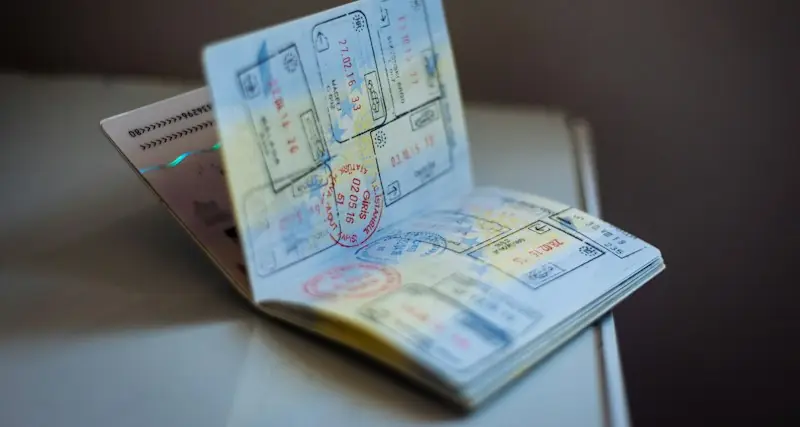
- Passport: Valid passport is the primary document to buy foreign exchange for travel.
- Visa / Ticket / Itinerary: For travel-related forex, airlines’ tickets or travel itineraries and valid visas are often requested.
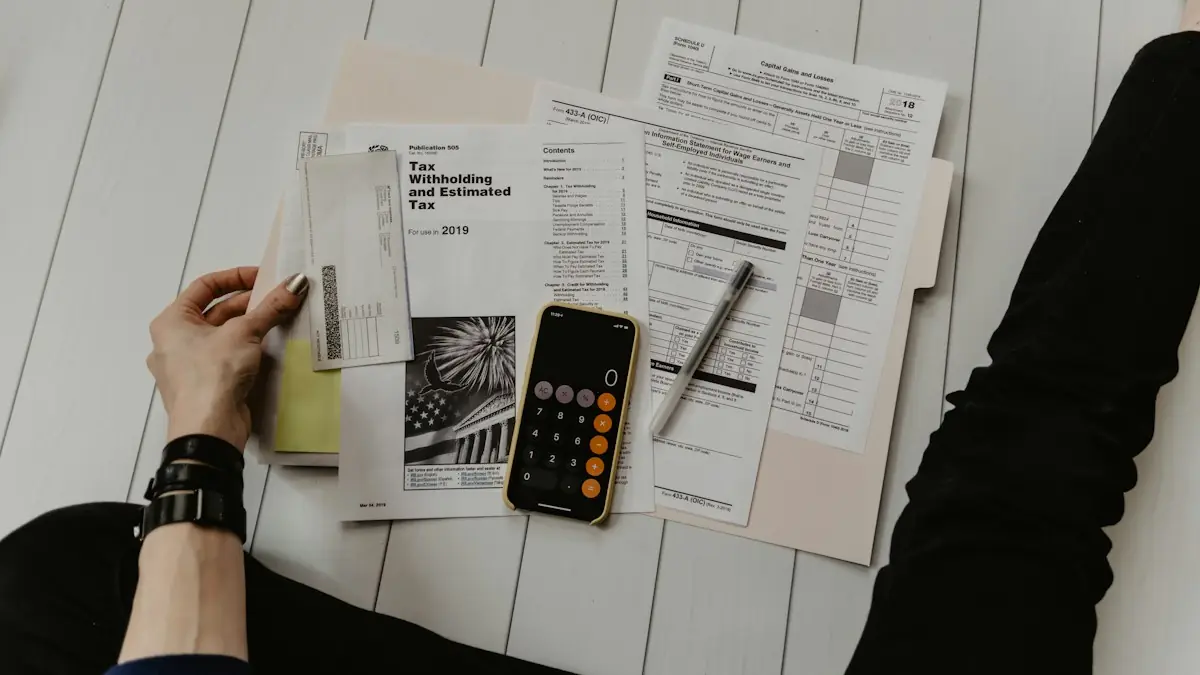
- PAN card: PAN is required for many forex transactions, particularly above specified thresholds and for any outward remittance under the LRS.
- Proof of purpose: Admission letters (education), medical documents, business invitations, or invoices depending on the reason for remittance.
- KYC documents: Address proof, identity proof, and any forms (A2 form for some transactions) required by the authorised dealer.
- Account details: If payment is from a bank account (NRE/NRO/rupee account), provide account details and cheque or bank mandate as required.
Who can make the payment for purchasing forex?
- The buyer themselves: Most commonly, the person buying the foreign currency pays from their own bank account, by debit card, cheque or cash (subject to cash limits).
- Parent or guardian: For minors, the parent or legal guardian makes the payment and signs the necessary forms.
- Third-party payments: Payments by a third party are sometimes accepted (for example, a relative paying for a student’s education fees) but the authorised dealer will require supporting documents to establish the relationship and purpose. Banks have specific compliance checks for third-party payments for anti-money laundering (AML) reasons.
- Payments from NRE/NRO/FCNR accounts: NRIs typically use NRE/NRO or FCNR accounts for transactions permitted under their status. Residents use their regular savings/current accounts for card, RTGS/NEFT or cheque payments.
- Wire transfers / bank remittances: Outward remittances for payments like tuition fees or overseas bookings are usually made via bank transfer (SWIFT/telegraphic transfer) after completing the required declarations and documents.
Payment methods accepted by authorised dealers
- Cash (subject to cash handling and reporting norms)
- Debit or credit card
- Bank cheque or demand draft
- Online bank transfer (RTGS/NEFT/IMPS) or SWIFT for outward remittance
- Forex prepaid cards, traveller cards, and traveler's cheques where offered
Practical tips before you buy
- Carry valid ID and all supporting documents to avoid delays.
- Check LRS limits and any bank-specific thresholds if you plan large remittances.
- Confirm payment methods your money changer/bank accepts and whether third-party payments are allowed.
- Ask about commissions, fees, and any regulatory charges before completing the transaction.
If you need personalised advice or a competitive quote for foreign currency notes, travel cards or outward remittance, contact Best Deal Forex — our team can guide you through eligibility, documentation and the safest payment options for your needs.